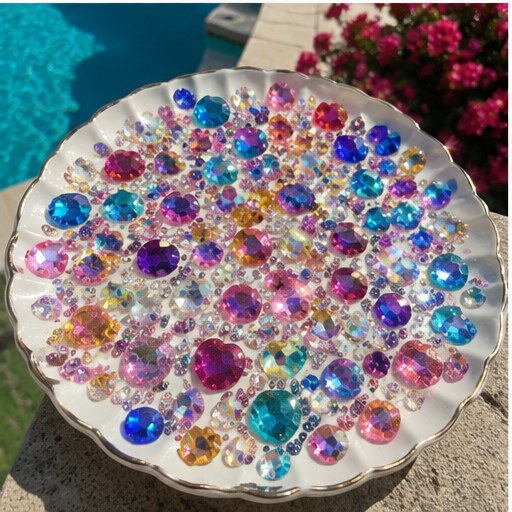
Kylie Jenner didn’t invent bedazzling. She reminded the internet how much it loves it.
Sometimes marketing does not need to introduce something completely new.
Sometimes, it just needs to remind people of something they already loved.
That is what makes the current bedazzling trend so interesting.
Kylie Jenner’s recent birthday visuals helped push rhinestones, sparkle, and playful Y2K-inspired styling back into the spotlight. The aesthetic was not new, but the moment made it feel relevant again.
And that is where the marketing lesson begins.
Consumers do not forget everything. Sometimes they just need a trigger.
Our minds are filled with colors, products, songs, styles, experiences, and cultural references that we may not actively think about every day.
Then something brings one of those memories back.
A song plays.
A familiar package returns.
A fashion trend resurfaces.
Or a celebrity posts something that instantly feels recognizable.
Suddenly, what felt old can feel exciting again.
That emotional response is part of what marketers have used for years through nostalgia marketing.
Research has shown that nostalgia can strengthen emotional connection, influence brand attitudes, and make consumers feel more connected to meaningful experiences from the past. (sciencedirect.com)
The important idea is simple:
The past does not always disappear from the consumer’s mind. Sometimes it is just waiting to be reactivated.
The opportunity is not copying the past. It is reintroducing it.
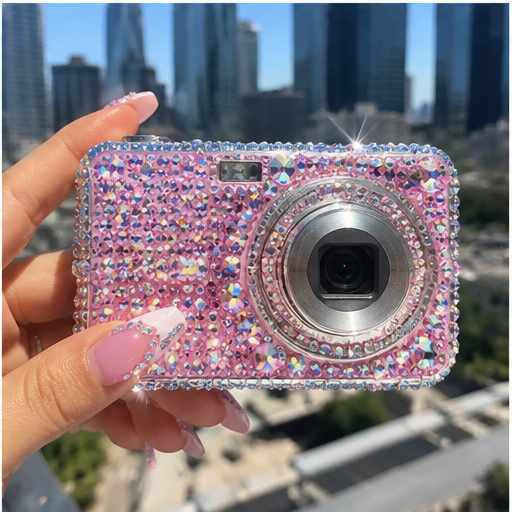
Successful nostalgia marketing is not simply about bringing something back exactly as it was.
The stronger opportunity is to take something familiar and give it a new context.
That is what makes the return of bedazzling interesting.
Rhinestones were everywhere in the late 1990s and early 2000s: clothing, phones, accessories, makeup, and DIY fashion.
Now the aesthetic is appearing again across beauty, food, fashion, accessories, packaging, and social content.
The visual language is familiar.
The context is new.
That distinction matters for brands.
Why familiarity can be just as powerful as novelty
Marketing teams are often under pressure to create something consumers have never seen before.
But novelty is not the only way to capture attention.
Familiarity can be powerful too.
If people already have an emotional association with an aesthetic, product, sound, phrase, character, or experience, a brand may not need to build that connection from zero.
It may only need to reactivate it.
So instead of always asking:
“What is completely new?”
Marketers can also ask:
“What already exists in our audience’s memory that could feel relevant again?”
That might be:
- a discontinued product people still remember,
- an old packaging style,
- a childhood ritual,
- a recognizable sound,
- a past advertising style,
- a fashion aesthetic,
- or a cultural reference that still carries emotion.
Interestingly, nostalgia can also work with consumers who did not personally live through the original moment. Research suggests that younger audiences can feel attached to earlier eras through visual cues, stories, and cultural associations. (sciencedirect.com)
That helps explain why Y2K aesthetics can resonate even with consumers who barely remember the early 2000s—or were not there for them at all.
How brands can use nostalgia strategically
Before jumping on a nostalgic trend, brands should think beyond the aesthetic.
Does it make sense for the audience?
The reference has to feel familiar, desirable, or emotionally meaningful.
Can the brand reinterpret it?
The strongest revivals combine something recognizable with something current.
Does it fit the brand personality?
Not every trend belongs to every brand. Forced nostalgia can feel opportunistic.
Can the brand move quickly enough?
Cultural moments move fast, especially on social media.
What emotion is being reactivated?
The real value is not the rhinestone, the song, or the old logo. It is the feeling attached to it.
That feeling could be comfort, playfulness, identity, belonging, youth, or connection.
The bigger marketing lesson
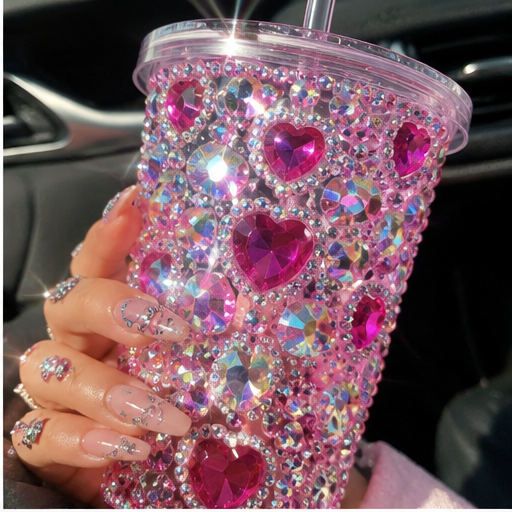
Kylie Jenner did not need to invent bedazzling.
The internet already knew it.
The power came from putting something familiar back into a highly visible cultural moment and giving people a reason to notice it again.
That is the part marketers should pay attention to.
We spend so much time asking:
“What is the next new thing?”
Sometimes the better question is:
“What does our audience already love that they might be ready to love again?”
Because consumers carry years of memories, references, emotions, and experiences with them.
The opportunity for a brand may not always be creating another memory from scratch.
Sometimes, it is knowing exactly which one to bring back.
Written by Mariana Reategui | Digiblonde